Theatre Between Dimensions: Aesthetics, Production Models, and the Cultural Industry of Japanese 2.5D Musicals
by Kirill Oleshkevich
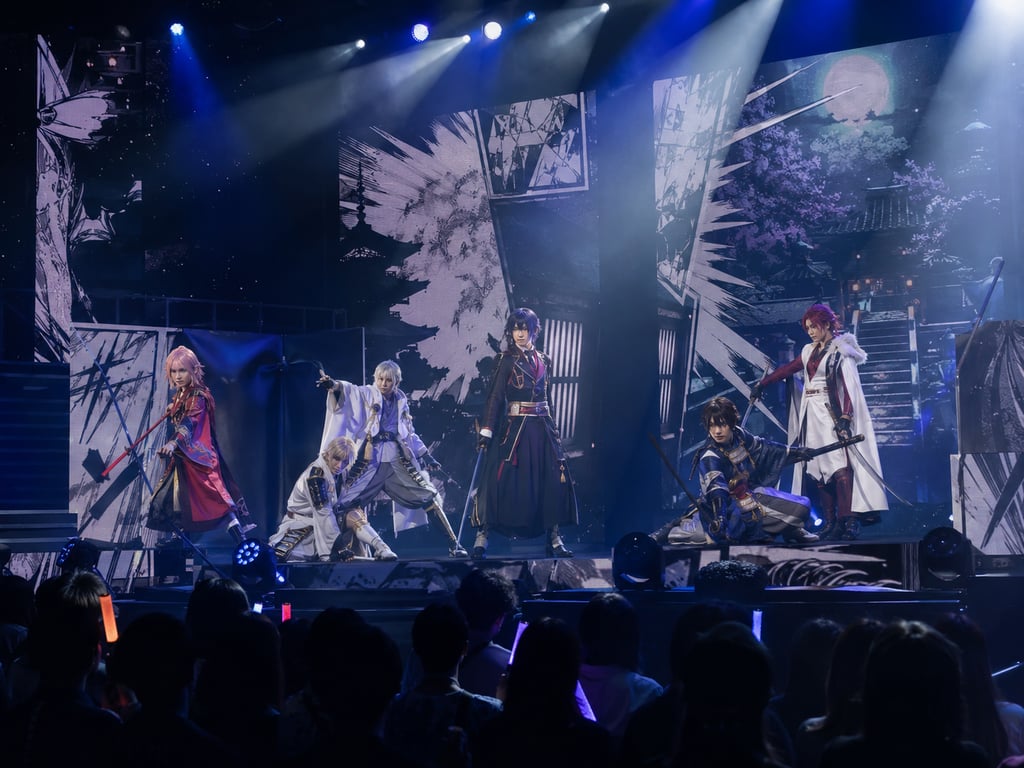
The article examines Japanese 2.5D musicals, a distinctive form of contemporary theatre based on stage adaptations of manga, anime, video games, and other works of popular culture. It explores the origins of the term “2.5D,” the principal stages in the development of this theatrical format, and its artistic, technological, and production-related characteristics. Particular attention is given to the methods used to transfer the visual aesthetics of a two-dimensional source into live performance through costume, makeup, physical acting, scenography, projection technologies, and musical dramaturgy. The 2.5D musical is considered not merely as a form of theatrical adaptation but also as part of a transmedia cultural industry connecting theatre, publishing, animation, video games, fan communities, and merchandise production. The article identifies specific features of the relationship between performer and fictional character, as well as the significance of audience recognition, fan engagement, and visual fidelity in the reception of these productions. It concludes that the phenomenon of 2.5D musicals reflects major transformations within contemporary Japanese theatre and establishes a new model of interaction among the stage, the screen, and popular culture.
The Transformation of Artistic Creativity: From Cave Paintings to Artificial Intelligence
by Ekaterina Kolesnikova
The article focuses on the transformation of artistic creativity in the context of technological development, from prehistoric forms of visual expression and traditional artistic materials to digital media and generative artificial intelligence. It traces the relationship between technological change and the evolution of artistic language across different historical periods. Particular attention is given to comparing the contemporary expansion of artificial intelligence with such turning points in the history of art as the invention of the printing press, photography, cinema, and computer technologies. The article analyzes three principal models of artificial intelligence use in creative practice: AI as an intellectual tool that extends the artist’s capabilities, AI as a co-creator within hybrid creative processes, and AI as a relatively autonomous generative agent. It also addresses the challenges of authorship, plagiarism, authenticity, aesthetic homogenization, and the changing professional roles of creative practitioners. Special consideration is given to the future of art education, including the shift from technical execution toward conceptualization and curatorial practice, the development of digital and algorithmic literacy, and the preservation of a distinctive human artistic voice. The article concludes that artificial intelligence should be understood not as a replacement for the artist but as a new stage in the development of artistic tools and practices. The future of art is associated with the formation of productive and critically informed interaction between humans and technology, grounded in ethical responsibility, interdisciplinary dialogue, and humanistic values.


The Role of New Media in Promoting Russian Film Festivals
by Maria Kondratieva
The article examines the role of new media in the informational support and promotion of Russian film festivals. It considers the impact of digitalization on the transformation of communication strategies employed by cultural projects, as well as the potential of social networks and independent media platforms to create a sustainable information environment around festival events. Using the contemporary Russian cinema festival Mayak as a case study, the article analyzes different models of media coverage implemented by the projects Ulitsa Balabanova, Kino pro tebya, Seans, Dreamcast, and Kinokotik. It identifies the distinctive positioning of these media outlets, their audience engagement strategies, and their approaches to presenting festival-related content, including real-time reporting, analytical publications, interviews, reviews, video materials, and infographics. Particular attention is given to user-generated content as a means of expanding the event’s media presence and increasing audience participation. The study demonstrates that the combination of professional media coverage, social communication, and user-generated content enhances festival brand recognition, broadens audience reach, promotes participating films, and strengthens connections between viewers and the professional film community. The article concludes that new media have become a key component of the contemporary Russian film festival sector and play an important role in promoting national cinema within both domestic and international cultural contexts.
Text-Based Role-Playing Games as Participatory Cultural Practice: An Implementation Framework for Cultural Institutions
by Ekaterina Chumakova
Text-based role-playing games offer cultural institutions an accessible form of digital audience engagement based on collaborative storytelling, social interaction, and participant-generated content. The study systematizes these games according to narrative style, number of participants, thematic content, and plot structure, while identifying their communicative, educational, developmental, recreational, and socializing functions. Particular attention is given to the practical stages of implementation, including platform selection, narrative design, character development, moderation, recruitment, and online promotion. Owing to their low financial requirements and reliance primarily on the organizer’s intellectual and creative resources, text-based role-playing games may serve as an effective tool for remote cultural programming, especially in institutions with limited technical and material capacity.


Vocaloid as a global phenomenon in the contemporary music industry
by Svetlana Grishina
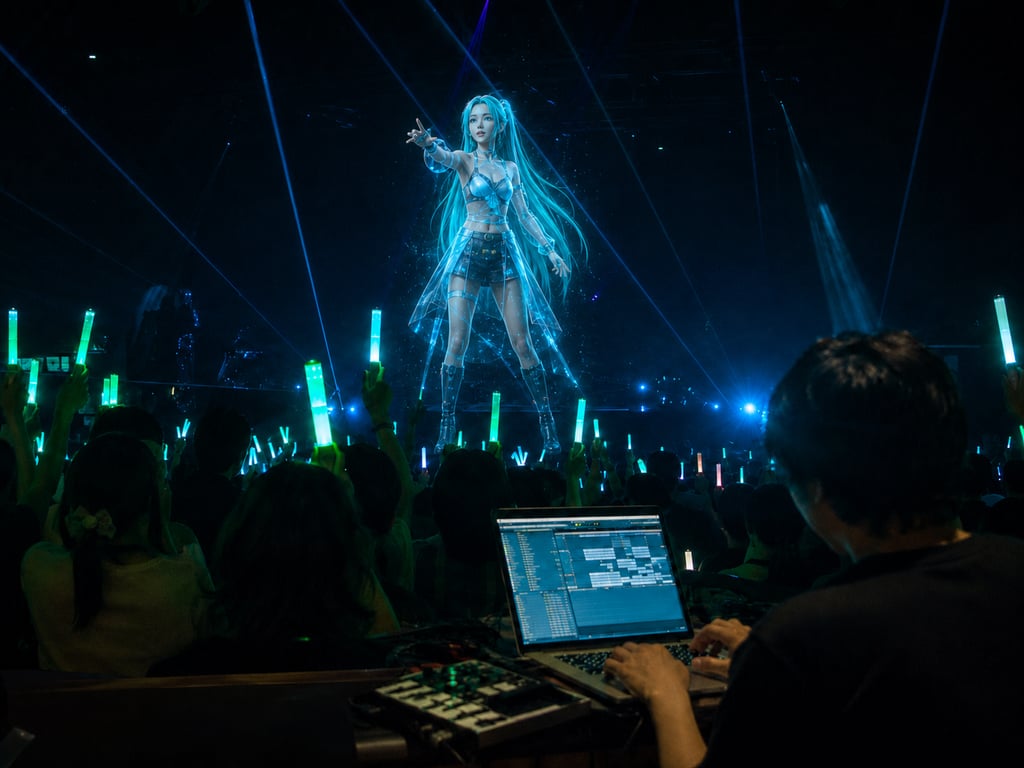
The emergence of Vocaloid technology has transformed vocal synthesis from a specialized software tool into the foundation of a global participatory music culture. The study traces the development of Vocaloid voice banks and virtual performers, with particular attention to the role of Yamaha, Crypton Future Media, and the international success of Hatsune Miku. It distinguishes Vocaloid from related systems such as CeVIO and UTAU, while considering the contribution of fan communities to music production, visual art, character development, and online circulation. Virtual concerts, multilingual software development, and user-generated content have expanded the boundaries between technology, authorship, performance, and popular culture. Vocaloids may therefore be understood as both digital musical instruments and transmedia cultural figures with continuing potential for international development, including within the Russian music market.
Volunteer Engagement in Cultural Projects: Institutional Practices, Management Models, and Emerging Digital Formats
by Mikhail Bzhaniya
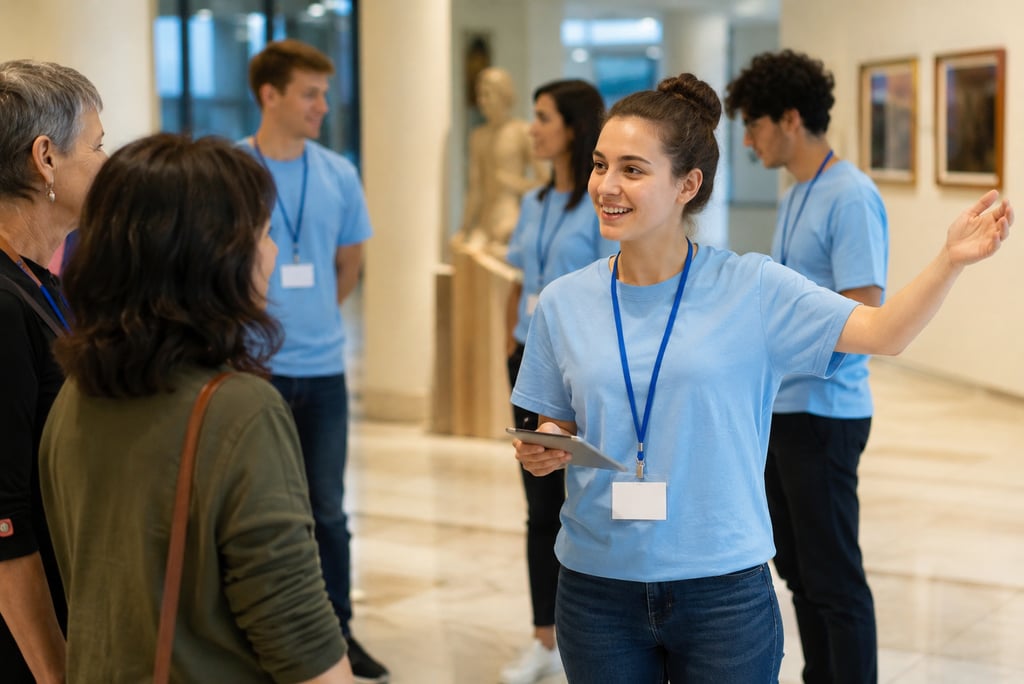
Volunteer engagement has become an important resource for cultural institutions and projects, supporting both their daily operations and their interaction with audiences. Drawing on examples from libraries, museums, parks, festivals, and international initiatives, the study outlines the principal functions performed by cultural volunteers and the organizational requirements for managing their work effectively. Particular attention is given to volunteer training, task allocation, coordination, motivation, and communication within project teams. The discussion also incorporates emerging forms of participation, including virtual volunteering and crowdsourcing, which expand access to cultural initiatives beyond geographical boundaries. The findings indicate that professionally organized volunteer programs can strengthen institutional capacity, improve visitor experience, encourage civic participation, and contribute to the production of high-quality cultural projects.

The Role of Socio-Cultural Activities in the Socialization of the Individual
by Natalia Erokhina
The article examines the role of socio-cultural activities in the socialization of the individual. Socialization is understood as a lifelong process through which individuals acquire and actively reproduce the values, norms, behavioral patterns, and social roles accepted within a particular society. The article considers socio-cultural activity as an important mechanism for transmitting cultural experience, developing personal identity, and facilitating an individual’s integration into social life. Particular attention is given to education, the arts, sports, religious practices, and civic associations as major forms of socio-cultural participation. The study analyzes their influence on the development of communication skills, critical and creative thinking, emotional intelligence, social responsibility, civic engagement, and the ability to cooperate with others. Education is presented as a means of transmitting knowledge, cultural values, ethical principles, and competencies required for successful social adaptation. The arts are examined as an instrument of emotional development, self-expression, cultural continuity, and the preservation of historical memory. Participation in voluntary organizations and civic movements is shown to promote leadership, social awareness, responsibility, and active involvement in community life. The article concludes that socio-cultural activities play a fundamental role in shaping an individual’s worldview, cultural identity, behavioral patterns, and capacity for self-realization. The development of an accessible and diverse socio-cultural environment is therefore essential for the harmonious development of both the individual and society.


Requirement or discovery? How can the school literature curriculum cultivate or extinguish students’ interest in reading?
by Ksenia Shatalova
Contemporary school-based literary education faces a fundamental contradiction between its cultural mission and its practical effects on young readers. While the literature curriculum is intended to transmit cultural memory, develop moral awareness, and introduce students to major works of the national literary canon, its implementation may transform reading into a formal academic obligation and weaken students’ intrinsic motivation. This study explores the tension between compulsory reading and personal literary discovery by considering the pedagogical, cultural, and psychological dimensions of literature instruction. The findings suggest that the literary canon itself does not necessarily diminish students’ interest in reading. Disengagement is more often produced by dogmatic teaching methods, limited interpretive freedom, excessive standardization, and the separation of classical literature from students’ lived experience. A productive literature curriculum should therefore balance cultural continuity with reader autonomy, transforming the classroom from a space of compulsory textual analysis into an environment of dialogue, interpretation, and personal discovery.


Anime and Manga in Global Popular Culture: Transnational Circulation, Fan Practices, and Japan’s Cultural Influence
by Glafira Shubina
Anime and manga have developed from nationally specific forms of Japanese visual storytelling into globally circulating cultural products with substantial artistic, commercial, and social influence. Their international appeal is associated with thematic diversity, complex narratives, distinctive aesthetics, digital accessibility, and adaptability to different cultural contexts. The study considers their impact on Western animation, online media, gaming, cosplay, fan conventions, and transnational communities, while also addressing their role in introducing international audiences to Japanese language, values, and cultural practices. As both entertainment industries and instruments of cultural diplomacy, anime and manga contribute to tourism, consumer behavior, creative production, and the continuing expansion of Japan’s global soft power.